July 23, 2026
Shana Miller
Blog originally published on FAO’s Common Oceans Program Newsroom.
Countries strengthen skills in management procedures through regional training
16/07/2026
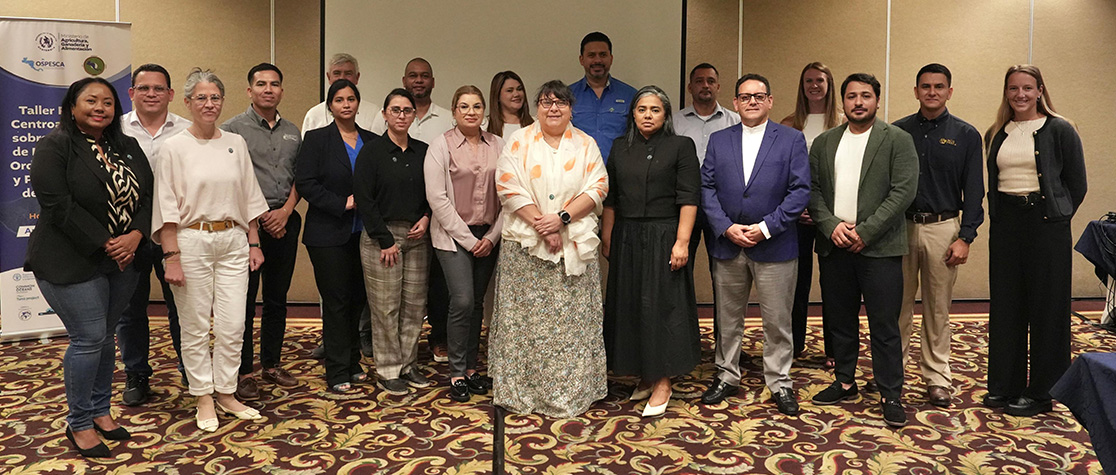
15 -16 July 2026 – Antigua, Guatemala – Fisheries scientists and managers from across Central America gathered in Antigua for the first regional workshop on management procedures for sustainable fisheries, under the framework of the Organization of the Fisheries and Aquaculture Sector of the Central American Isthmus (OSPESCA).
The two‑day event forms part of a global series of capacity‑building workshops hosted by The Ocean Foundation (TOF) and supported by the GEF‑funded FAO Common Oceans Tuna Project, designed to strengthen science‑based decision‑making in tuna and tuna‑like fisheries.
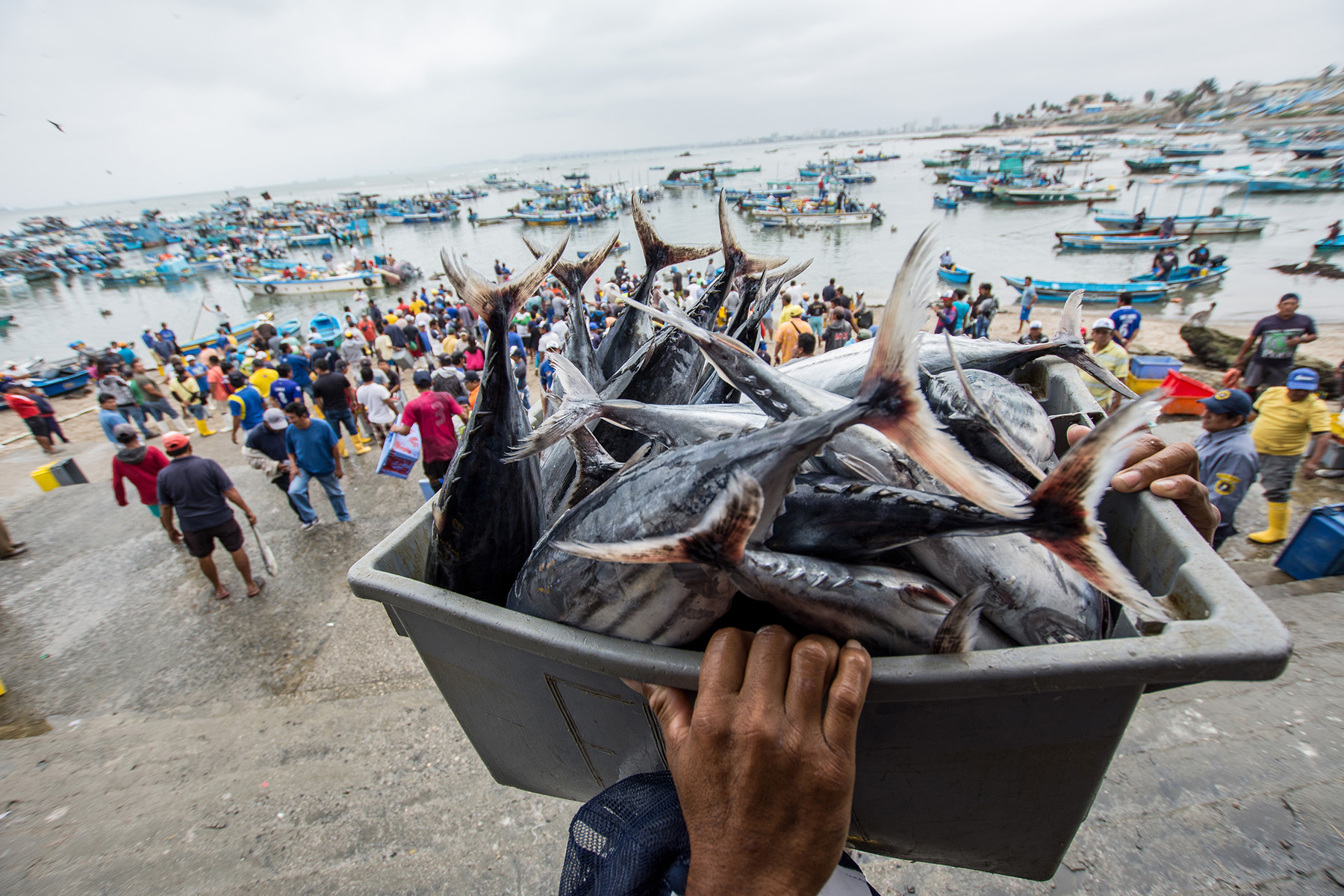
Management procedures (MPs), also known as ‘harvest strategies’, are pre-agreed decision-making frameworks that determine allowable fishing levels under different stock conditions. They aim to keep fisheries within sustainable limits while reducing the risk of stock decline.
Management strategy evaluation (MSE) simulations are used to stress test MPs to assess their performance under uncertainties such as climate change, illegal fishing and data gaps. This approach supports more predictable management that can also reduce conflict in decision-making.
©FAO/Camilo Pareja
Previous capacity-building sessions have been held in the Seychelles, Egypt and the Pacific region, the latter led by the Pacific Community (SPC). The Guatemala workshop marks the first time this training has been offered in the Central American region.
“Many fisheries managers have heard about MSE and management procedures, but fewer have had the opportunity to gain the depth of knowledge needed to participate confidently in their development and application,” said Dr. David Die, the lead instructor of the workshop. “By strengthening the capacity of managers to engage constructively in these processes, we can accelerate the adoption of MPs and support more effective, transparent, and sustainable fisheries management for the benefit of all.”
Strengthening regional cooperation through OSPESCA
OSPESCA, a specialized institution of the Central American Integration System (SICA), coordinates sustainable fisheries frameworks across the region. Its mandate covers the national waters, inland waters and Exclusive Economic Zones (EEZs) of its member states – Belize, Costa Rica, El Salvador, Guatemala, Honduras, Nicaragua, Panama and the Dominican Republic. The organization works to harmonize fisheries laws, design sustainable management policies and combat Illegal, Unreported and Unregulated (IUU) fishing.
“Strengthening technical capacity is essential for ensuring that management decisions are based on solid science,” said Bernal Chavarría, Coordinator of Fisheries Management and Policy at OSPESCA. “This workshop will provide our countries with the knowledge and tools to engage meaningfully in the decision-making process for our shared marine resources to ensure sustainable management.”
Applying the latest fisheries management methodologies
Participants included fisheries managers, scientists and technical officers from seven OSPESCA member countries. Prior to the workshop, they were asked to complete FAO’s e‑learning course series on management procedures for sustainable tuna fisheries. Building on that foundation, the training provided practical experience in applying the concepts to real‑world decision‑making.
The first day focused on developing and testing MPs. Participants explored management objectives, reference points, harvest control rules and performance indicators, as well as stakeholder roles and implementation considerations. The sessions were complemented by hands-on activities allowing participants to apply what they’d learned.
On the second day, experts from the Inter-American Tropical Tuna Commission (IATTC ) and the International Commission for the Conservation of Atlantic Tunas (ICCAT) presented ongoing multi-stock MSE frameworks, currently under development to advance MPs for tropical tuna stocks. Participants discussed the technical aspects, opportunities and challenges of these approaches, helping prepare them for upcoming tRFMO meetings on MPs and MSEs.
A growing global movement toward robust management procedures
Management procedures are increasingly recognized as one of the most effective tools for long‑term, precautionary fisheries management. Their adoption has already delivered measurable gains in several tuna fisheries worldwide, helping rebuild stocks and stabilize catch levels.
The workshop in Guatemala contributes to a broader global effort to equip countries with the skills needed to design, test and implement MSE‑based management procedures. Through the guidance of OSPESCA leadership and the workshop, Central American countries are strengthening their ability to manage shared resources sustainably and cooperatively.
“This training represents an important step toward strengthening knowledge in our region,” said Yesuri Pino, a Biologist with the Aquatic Resources Authority of Panama. “It helps ensure that decisions are science-based and, at the same time, allows us to contribute to the implementation of management approaches that benefit both our fisheries and our communities.”
The workshop in Guatemala was hosted by The Ocean Foundation, with support from the Common Oceans Tuna Project, Oceankind, the Paul M. Angell Family Foundation, and The Pew Charitable Trusts.
About the Common Oceans Tuna Project
Led by FAO and funded by the Global Environment Facility (GEF), the Common Oceans Tuna Project brings together all five tuna RFMOs, scientific institutions, governments, civil society and the private sector to promote responsible, efficient and sustainable tuna fisheries while conserving biodiversity in a changing ocean environment.
To learn more:

‼️ Join us next month on November 4 (at 11:00 GMT) for the next webinar in our quarterly series! Our expert panel will be discussing how to make management procedures more efficient during both the development and implementation stages.
Register: https://us06web.zoom.us/meeting/register/X7ub2wxiR2-eFKqk8Taqvg#/registration
October 5, 2026

September 22, 2026
September 9, 2026