March 30, 2026
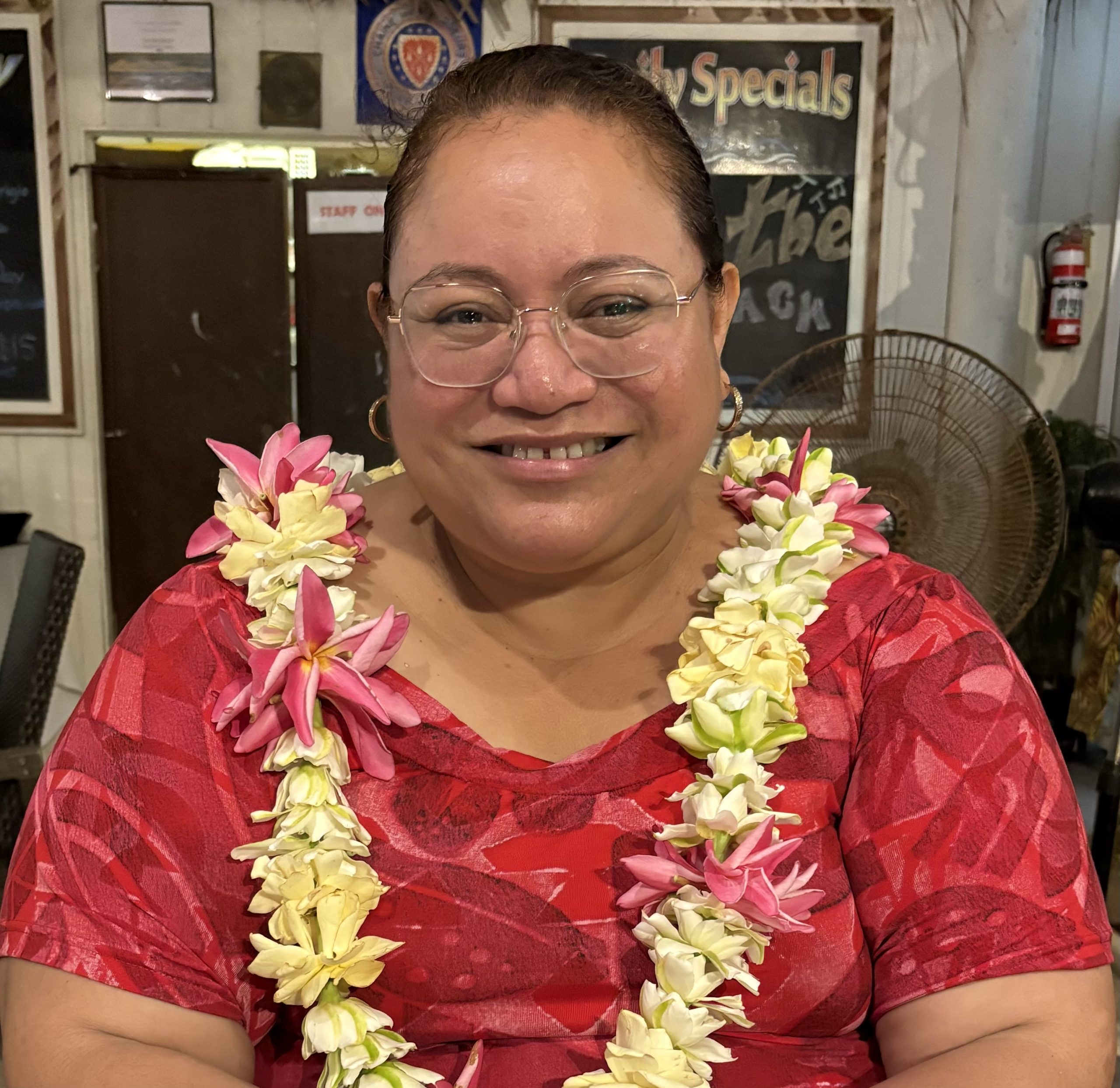
Dr. Josie M. Tamate
Chair, Western and Central Pacific Fisheries Commission (WCPFC)
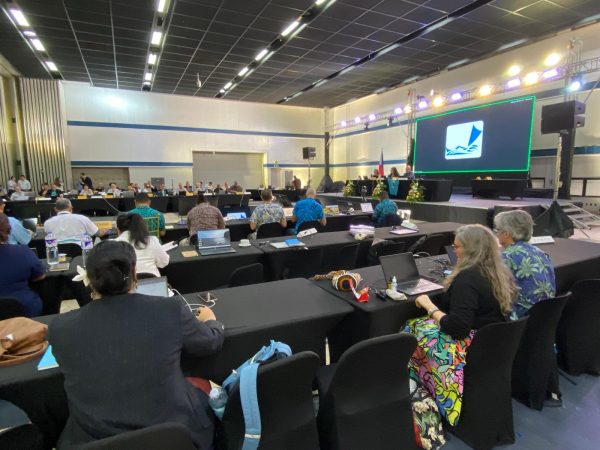
A decade worth of work and discussions on South Pacific albacore tuna (SPA) reached an important milestone at the 22nd Regular Session of the Western and Central Pacific Fisheries Commission (WCPFC) that was held in Manila, Philippines last December with the adopting of the management procedure (MP), also known as a harvest strategy.
The adoption of the MP at WCPFC22 was critical for two reasons. Firstly, the urgent need to improve catch per unit effort (CPUE) and provide stability. Secondly, the WCPFC’s credibility in terms of maintaining its commitment to establishing harvest strategies for the priority species in the Western and Central Pacific Ocean (WCPO). The SPA MP was scheduled to be adopted in 2024, but this was not achieved. Whilst this may be deemed as a “failure,” all was not lost because the extra year of discussions in 2025 helped progress the discussions on some of the key elements of the MP, especially with respect to the harvest control rule (HCR).
One of the key aspects of the MP is the HCR. At the beginning of 2025, there were more than 30 possible HCRs for consideration. Other important decisions required include the area of application, the fisheries to be covered (i.e., longline and troll), and the level of catch to be assigned for the Eastern Pacific Ocean (EPO) and north of 10°S, including the catch taken from the exclusive economic zones (EEZs) of Tokelau and Tuvalu.
As the Chair of the WCPFC, my top priority for the WCPFC22 meeting in Manila was the adoption of the SPA MP. This was achieved on the afternoon of the last day of the meeting when the members reached an agreement of the HCR. This was an excellent achievement for the WCPFC and largely due to the strong efforts by the members to make difficult compromises to reach agreement.
The next critical step is the adoption of the implementing measure. A proposal was presented by the Pacific Islands Forum Fisheries Agency (FFA) membership at the WCPFC22 in Manila and will be a key document for the 2026 discussions. A dedicated workshop is scheduled to be held in June 2026, and this will be the first session of discussions on the SPA implementing measure within the WCPFC.
One of the key elements that the WCPFC will be discussing at the SPA workshop and subsequent discussions leading towards the 2026 WCPFC meeting is allocation. More specifically, discussions on how much of the total allowable catch is allocated for the high seas and how much for the EEZs of the coastal states.
Article 10.3 of the Convention lists the elements to be considered when developing the criteria for allocation, and it is anticipated that these will be discussed extensively during the upcoming workshop. I am confident that the WCPFC membership will draw from the success from Manila and will continue the work together to reach agreement and adopt the implementing measure for SPA in December.
Josie Tamate, a distinguished Niuean civil servant and the Chair of the Western and Central Pacific Fisheries Commission (WCPFC), stands as a guiding force of leadership. Her journey, rooted in dedication, saw her appointed as the first Polynesian to helm the WCPFC, the governing body for the world’s largest tuna fishery. With a friendly face and a jovial smile, Josie brings warmth to her role, exemplifying the spirit of her island home.

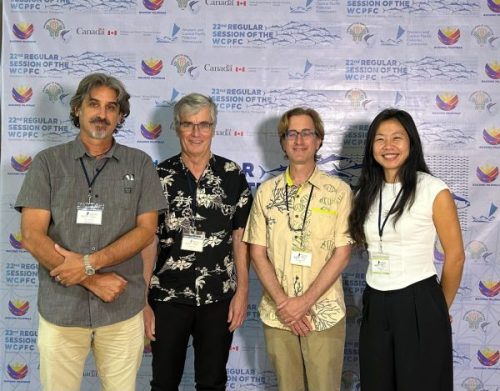
We're co-hosting a regional fisheries workshop in Egypt this week, bringing together GFCM & ICCAT managers and scientists. The focus: harvest strategies and management strategy evaluation.
More on the workshop: https://tinyurl.com/3bu6ftx4
February 19, 2026