February 17, 2026
Nicole Condon | Sam Grimley
Director of Brand & Social Impact, Oddisea SuperFrozen | Executive Director, Sea Pact

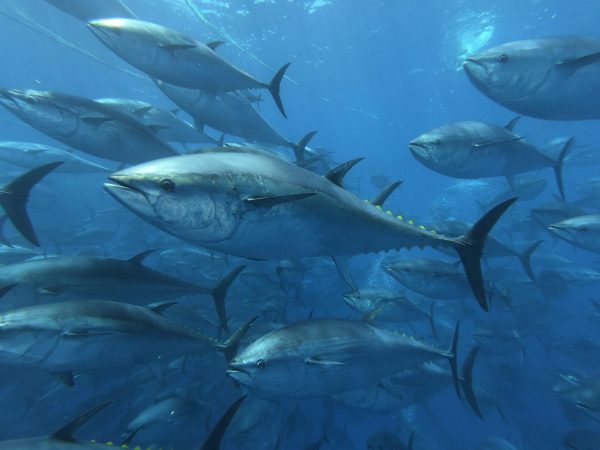
Tunas are some of the most important seafood species in the world. Tuna fisheries support livelihoods across oceans, provide a critical source of nutrition, and play a major role in global seafood supply chains. Sea Pact, a collaboration of North American mid-supply chain seafood companies advancing sustainability, recognizes this significance firsthand. In fact, when Sea Pact members were asked which wild species or commodity was most important to their individual businesses, the majority identified fresh and frozen tuna as number one, making tuna sustainability, responsibility, and traceability essential to Sea Pact’s efforts.
Sea Pact has a long history of supporting fishery improvement efforts across global fisheries through collaborations, supply chain engagement, and projects. As our members continue strengthening their commitments to responsible sourcing, it is clear that long-term sustainability depends on well-informed, resilient management systems and collective engagement. That is why Sea Pact supports advancing harvest strategies for tuna and engaging with the international bodies where tuna management decisions are made.
When it comes to maintaining sustainable fishery stock statuses, harvest strategies are one of the most effective and practical tools available to protect tuna fisheries over the long haul. They provide a science-based framework for how fisheries should respond and adapt in the face of change.
In practice, harvest strategies help deliver:
Despite their importance, the need for broader adoption of harvest strategies in tuna fisheries remains. Currently, 13 out of the 23 commercially important tuna stocks managed through Regional Fishery Management Organizations (RFMOs) are still not regulated by a harvest strategy. RFMOs are international bodies composed of countries that have the responsibility of managing shared stocks of highly migratory species, like tuna. They set catch limits, adopt conservation measures, and determine whether tools like harvest strategies are implemented.
It is often the case that the market demand and expectations that drive fisheries develop faster than RFMO management changes can be implemented. Yet, RFMO discussions often lack consistent representation from the market end of the supply chain, including the retailers and suppliers that depend on tuna fisheries for long-term sourcing. Sea Pact believes markets have an important role to play in supporting timely, science-based management, and that effective RFMO engagement is built on consistent engagement and long-term trust and relationship building.
Starting in 2026, Sea Pact will be taking part in a new initiative, All Tunas 2028, to seek direct engagement with RFMO delegates with a focus on advancing harvest strategies and supporting stronger long-term management for priority tuna stocks.
Our approach will center on:
This work reflects Sea Pact’s broader commitment to ensuring that seafood markets are actively contributing to solutions that support the long-term sustainability of the fisheries our members depend on. Sea Pact recognizes that this kind of direct RFMO engagement represents a new approach for the organization, and we are actively working to align with other existing efforts such as harveststrategies.org, the Global Tuna Alliance, and the NGO Tuna Forum. We strongly believe that this work will only strengthen our collective goals. Our efforts will officially kick off with Nicole Condon, the Director, Brand & Social Impact for Oddisea SuperFrozen and Sea Pact Board Vice-Chair, speaking at the panel All Tuna 2028: Desserts and Discussion at the Seafood Expo North America next month in Boston. We hope you can join us!
Sea Pact and its members are excited to support this work by bringing market leadership into global fishery governance spaces and advocating for management systems that support responsible sourcing and a stable future for tuna fisheries.
—
Nicole Condon is a leader in the seafood sustainability space with over two decades of multi-disciplinary experience at the intersection of industry, science, non-profits, and policy. After a decade in nonprofit management, Nicole transitioned to the private sector as the Director of Brand & Social Impact at Oddisea SuperFrozen where she is working to tackle human rights, environmental, and traceability challenges along the supply change, cementing Oddisea’s leadership at the forefront of responsible sourcing practices.
Sam Grimley serves as Executive Director of Sea Pact, a coalition of North American seafood companies working together to advance seafood sustainability through supply chain engagement and collective action. Sam has more than fifteen years of experience helping seafood buyers and industry partners improve sourcing and drive sustainability initiatives having previously worked for Sustainable Fisheries Partnership and the Gulf of Maine Research Institute.

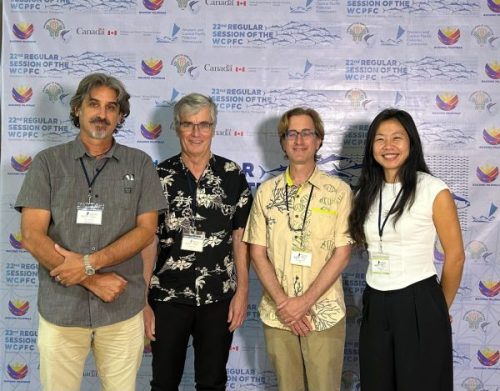
We're co-hosting a regional fisheries workshop in Egypt this week, bringing together GFCM & ICCAT managers and scientists. The focus: harvest strategies and management strategy evaluation.
More on the workshop: https://tinyurl.com/3bu6ftx4
February 19, 2026
February 17, 2026