February 11, 2026
Heather Luedke
Senior Program Associate 

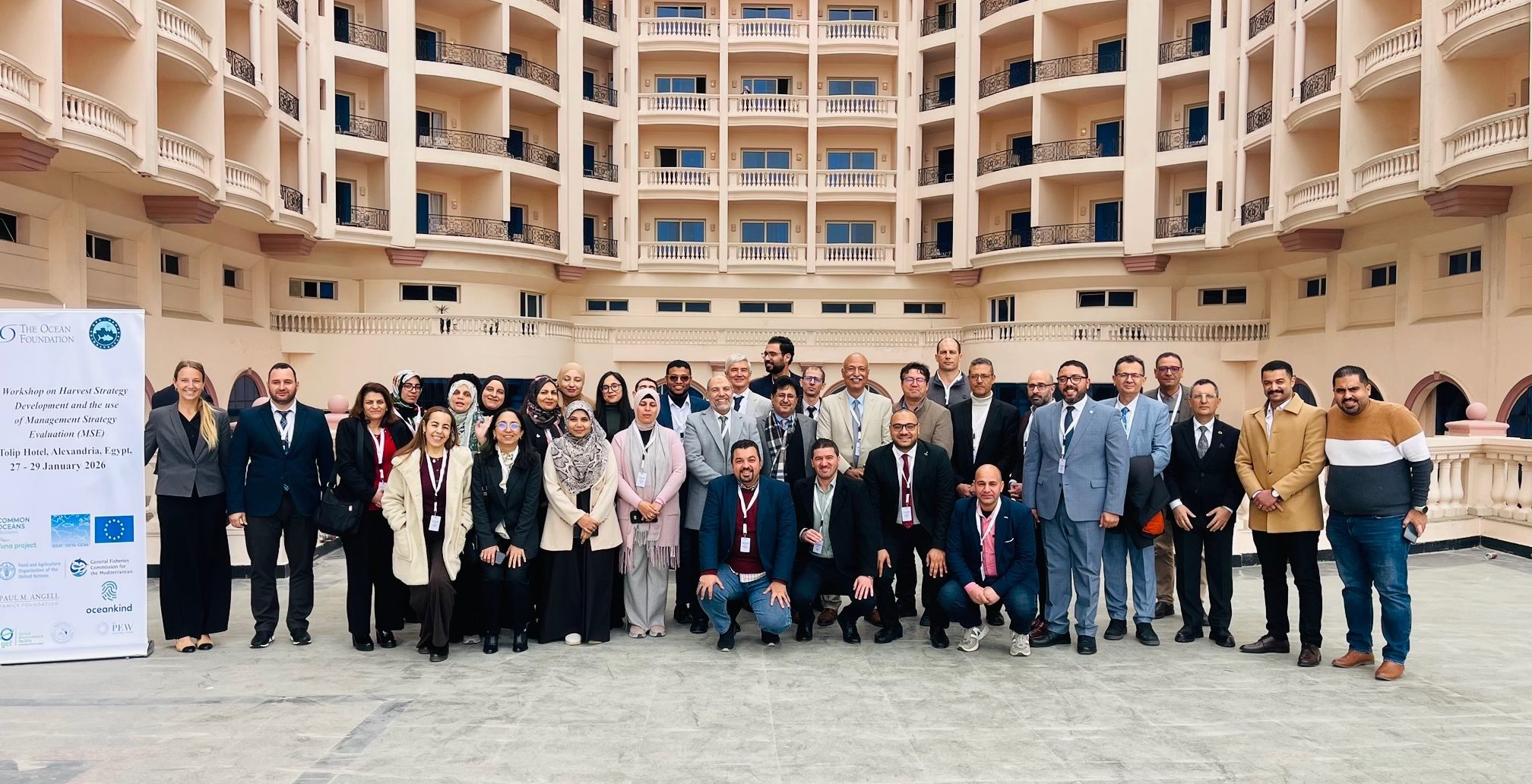
In January, fisheries managers and scientists from North Africa and the Near East, working with the International Commission for the Conservation of Atlantic Tunas (ICCAT) and the General Fisheries Commission for the Mediterranean (GFCM), gathered in Alexandria, Egypt, for a regional capacity-building workshop on management procedures (MPs) and management strategy evaluation (MSE).
The three-day workshop combined expert presentations, interactive activities, and facilitated group discussions to build a shared understanding of MPs (also known as harvest strategies) and MSE as practical tools for science-based decision-making. The workshop strengthened dialogue between managers and scientists and across the region, enabling participants to engage in MP and MSE processes at regional fisheries management organizations (RFMOs) and nationally.
Workshop Goals and Approach
As MPs gain traction at ICCAT and GFCM, effective development and implementation depend on both technical analyses and informed decision-making. This, in turn, requires managers and scientists to share a common understanding of objectives, trade-offs, uncertainty, and how their respective roles fit together throughout the MP and MSE processes.
Thus, the workshop moved beyond theory and focused on practical engagement with MPs and MSE. Plenary sessions established a shared conceptual foundation and fostered regional collaboration, while dedicated breakout sessions allowed managers and scientists to dive into their specific roles. Scientists’ breakout sessions emphasized technical foundations and workflows – providing hands-on experience working on MSE, including specifying operating models, designing candidate management procedures, and running simulations on case study data. Managers’ sessions introduced the full MP and MSE cycle from a decision-maker perspective – paying particular attention to interpreting MSE results, weighing trade-offs, and understanding implementation pathways.
Workshop Impact
For both managers and scientists, a central outcome of the workshop was greater clarity and confidence around MPs and MSE as tools for sustainable fisheries management. Prior to the workshop, some participants noted that MSE concepts felt difficult to navigate, including at RFMO meetings. By working through examples and visualizations and participating in group discussions, participants developed a clearer understanding of how MPs and MSE function in practice when it comes to real fisheries management.
Further, participants noted the workshop’s structure – plenary sessions with all participants as well as tailored breakout sessions for managers and scientists – was unique and highly beneficial. Unlike previous workshops where managers and scientists were separated for the whole time, this workshop format allowed each group to gain insight into the other’s work. This insight helped clarify their distinct yet complementary responsibilities and emphasized the importance of bridging the gap between science and management for effective development and implementation of MPs.
For managers, the workshop strengthened their ability to engage with and interpret technical MSE outputs from scientists, participate in discussions regarding trade-offs and uncertainty, and make informed decisions. They also valued the opportunity to share experiences with peers from across the Mediterranean, recognizing both similar challenges and potential for regional collaboration. Many noted they were leaving the workshop better prepared to contribute to ICCAT and GFCM discussions on MSE and MPs and communicate about MSE and MPs within their national institutions.
For scientists, hands-on exercises and interactive sessions provided practical experience with MSE workflows, visualization tools, and reproducible analyses, strengthening technical capacity to use MSE frameworks and develop MPs. Further, using case study data helped connect technical analysis to real-world scenarios. Scientists also improved their ability to communicate results to managers and stakeholders, as the joint sessions helped them understand managers’ perspectives and priorities.
Looking Ahead
Overall, the Alexandria workshop marked an important step towards increasing regional capacity for MPs and MSE in the Southern and Eastern Mediterranean and at ICCAT and GFCM. It fostered stronger regional connections, conceptual understanding, and technical skills, laying the groundwork for future collaboration and engagement in RFMO processes. Participants were eager to take their new knowledge and skills back home and apply them to fisheries nationally and regionally, as well as to continue participating in future capacity-building experiences. This ongoing capacity-building will be essential and is the aim of the new FAO eLearning Academy course on MPs and MSE, a free and self-paced educational tool to learn more about the concepts.
Thank you to the FAO Common Oceans Project, The Ocean Foundation, The Pew Charitable Trusts, GFCM, Oceankind, and the Paul M. Angell Family Foundation for supporting the workshop.

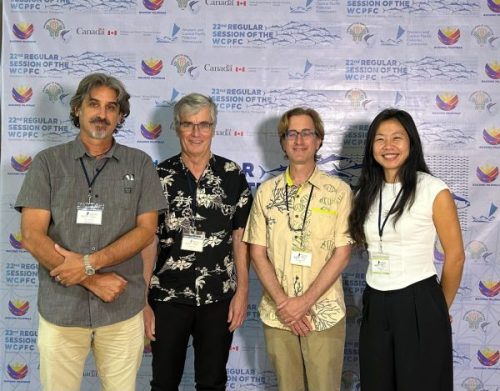
We're co-hosting a regional fisheries workshop in Egypt this week, bringing together GFCM & ICCAT managers and scientists. The focus: harvest strategies and management strategy evaluation.
More on the workshop: https://tinyurl.com/3bu6ftx4
February 19, 2026
February 17, 2026